 Skip to content
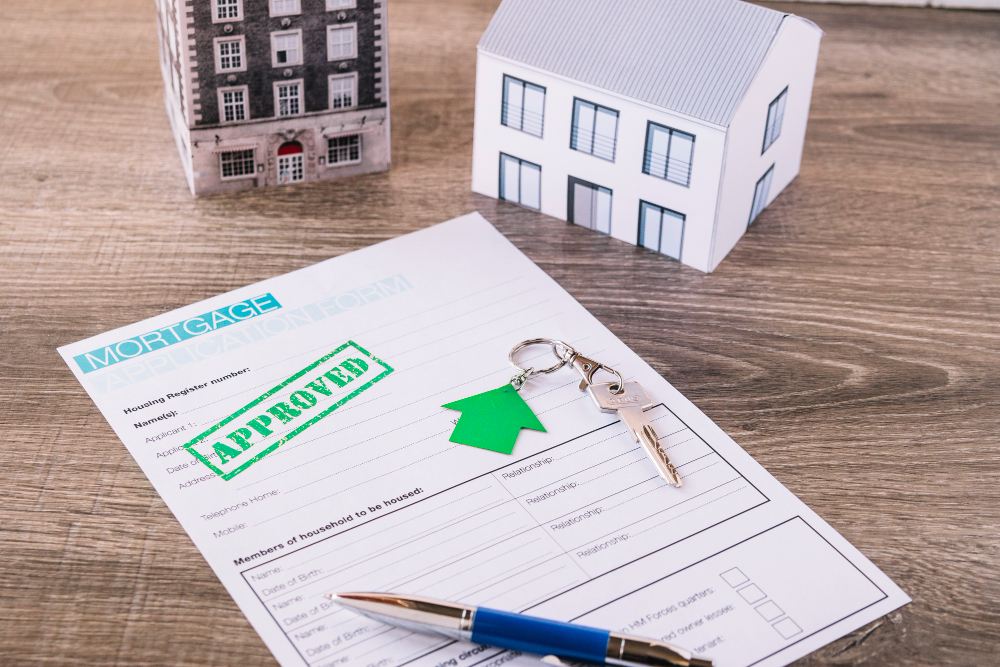
Renting vs buying property in Dubai, is one of the biggest financial decisions you will make as an expat in Dubai, and it is one that comes up constantly in expat circles, in WhatsApp groups, at school gates, and over brunch. Should you rent or should you buy? The honest answer is that there is no single right answer for everyone, but there is absolutely a right answer for your specific situation, and this guide will help you figure out which one that is.
Renting vs buying property in Dubai looks very different from the same decision in most Western countries. The rules are different, the costs are different, the market behaves differently, and as an expat your circumstances add layers of complexity that a local buyer simply does not have to think about. This post lays it all out clearly so you can make a genuinely informed decision.
Understanding Renting vs Buying Property in Dubai
Before getting into the rent vs buy debate, it helps to understand the market you are operating in. Dubai’s property market has been on a significant upward trajectory since 2020, with prices in many areas rising substantially year on year. Demand from international buyers and a growing expat population has kept the market strong, and new developments continue to launch at pace across the city.
That said, the market is not uniform. Some areas have seen dramatic price increases while others have been more stable. Off-plan properties (bought before they are built) continue to attract strong interest from investors, while the ready property market has also been competitive. Rental prices have risen sharply in many areas over the past few years, which has pushed more residents to consider buying as monthly mortgage payments start to look comparable to monthly rent.
Understanding where the market stands matters because it affects both sides of the equation. If rents are high relative to purchase prices, buying starts to look more attractive on a pure numbers basis. If prices have already risen significantly, the question of future capital growth becomes harder to predict.
The Real Cost of Renting in Dubai
Renting in Dubai is not quite like renting in most other countries, and there are several things that catch new expats off guard.
Cheque payments. The most surprising aspect of renting in Dubai for most newcomers is that rent is typically paid upfront in post-dated cheques, not monthly by direct debit. Many landlords still ask for one or two cheques covering the entire year. The market has shifted somewhat and you can often negotiate four or six cheques, but the fewer cheques you offer, the more negotiating power you generally have. This means you need to have a significant portion of your annual rent available in your bank account at the start of your tenancy.
What you will pay. Rental prices vary enormously by area, size, and building quality. As a rough guide for 2026, a one-bedroom apartment in a mid-range area like JVC or Al Barsha runs from around AED 50,000 to AED 75,000 per year. In premium areas like Dubai Marina, Downtown, or Palm Jumeirah, a one-bedroom starts from around AED 90,000 and goes considerably higher. A three-bedroom villa in a family area like Arabian Ranches or The Springs typically falls between AED 160,000 and AED 280,000 annually depending on the community and condition.
Agency fees. When you rent through an agent, you will typically pay a fee of 5% of the annual rent. This is paid once at the start of the tenancy.
Security deposit. Landlords require a refundable security deposit, usually 5% of the annual rent for unfurnished properties.
DEWA and service charges. Utilities (Dubai Electricity and Water Authority) are paid separately on top of rent, as is the housing fee which is charged as part of your DEWA bill at 5% of annual rent. Some buildings also charge additional service fees.
Ejari registration. All rental contracts in Dubai must be registered with the Ejari system, which costs around AED 220. This is usually split between landlord and tenant or covered by the tenant.
In total, when you factor in agency fees, deposit, Ejari, and the upfront cheque requirement, moving into a rental property in Dubai requires a substantial amount of cash upfront even though you are not buying anything.
The Real Cost of Buying Property in Dubai
Buying property in Dubai also comes with significant upfront costs beyond the purchase price itself, and many buyers are surprised by how much is added on top.
Dubai Land Department (DLD) transfer fee. This is 4% of the purchase price, paid at the time of transfer. It is one of the largest transaction costs and applies to every property purchase. On a AED 2 million property, that is AED 80,000 in transfer fees alone. You can verify current fees and check property registration details directly on the Dubai Land Department official website.
Agent commission. The buyer’s agent typically charges 2% of the purchase price.
Mortgage registration fee. If you are buying with a mortgage, the mortgage registration fee is 0.25% of the loan amount, plus AED 290.
Valuation fee. Mortgage lenders require a property valuation, which typically costs AED 2,500 to AED 3,500.
Admin and trustee fees. Various admin fees add up to roughly AED 4,000 to AED 6,000 at the point of transfer.
Service charges. Owned properties in Dubai come with annual service charges paid to the building or community management. These vary significantly but commonly range from AED 10 to AED 25 per square foot per year. On a 1,000 square foot apartment, that is AED 10,000 to AED 25,000 per year on top of your mortgage.
When you add everything up, buying a property in Dubai typically costs an additional 7% to 8% on top of the purchase price in transaction fees and costs. On a AED 1.5 million apartment, you are looking at AED 105,000 to AED 120,000 in buying costs before you have spent a single dirham on furniture or renovations.
Can Expats Buy Property in Dubai?
Yes, and this is one of the things that makes Dubai genuinely attractive to expat buyers globally. Foreign nationals can own freehold property in designated freehold areas of Dubai, with full ownership rights and no requirement to be a UAE national or resident.
The freehold areas cover most of the areas that expats actually want to live in: Dubai Marina, Downtown Dubai, Palm Jumeirah, Jumeirah Village Circle, Business Bay, Arabian Ranches, The Springs, Emaar Beachfront, Dubai Hills Estate, and many others. There are some areas outside the freehold zones where foreigners can only purchase leasehold (typically 99-year leases), but for most buyers this is not a significant consideration.
You do not need to be a UAE resident to buy property in Dubai. Non-resident investors can and do buy here regularly. However, if you are buying as a resident expat and using a mortgage, you will need a UAE bank account and a residency visa.
Mortgages in Dubai for Expats: What You Need to Know
Expats can get mortgages in Dubai, and the process is more accessible than many people expect. However, the rules are different from what you might be used to back home.
Loan to value (LTV) limits. For expat buyers purchasing their first property in the UAE, the maximum mortgage is 80% of the purchase price for properties under AED 5 million. This means you need a minimum 20% deposit. For properties over AED 5 million, the maximum LTV drops to 70%.
Interest rates. Mortgage rates in Dubai in 2026 are broadly in line with international rates. Fixed rate periods typically last one to five years before reverting to a variable rate. Shop around, as rates vary between lenders and a good mortgage broker can make a significant difference.
Affordability calculations. UAE banks use a debt burden ratio to assess how much you can borrow. Your total monthly debt obligations including the mortgage cannot exceed 50% of your monthly income. Banks will require salary certificates, bank statements, and employment contracts as part of the application.
Non-resident mortgages. If you are buying as a non-resident, mortgage options are more limited and deposits required are higher. Some buyers in this situation purchase cash and arrange finance in their home country instead.
For a full breakdown of mortgage rates and which banks offer the best deals for expats in 2026, our guide on the Best Banks in Dubai for Expats covers this in detail.
The Break-Even Point: When Does Buying Make Financial Sense?
This is the calculation that most people skip, and it is the most important one. The question is not simply whether buying is cheaper than renting month to month. It is how long you need to stay in Dubai for buying to make financial sense when you factor in all the costs.
Given that buying costs you roughly 7% to 8% upfront in transaction fees alone, you need your property to either appreciate in value or your rental savings to outweigh those costs before you break even. As a rough rule of thumb, most financial advisors who work with Dubai expats suggest that buying only makes strong financial sense if you are planning to stay in the UAE for at least five years, and ideally seven or more.
If you sell before then, the transaction costs on both buying and selling eat significantly into any gains. This is particularly important for expats whose careers may take them elsewhere, whose company may relocate them, or whose personal circumstances could change.
The calculation changes if you plan to keep the property as a rental investment after leaving Dubai. In that case, the break-even equation looks different, and the ongoing rental yield becomes the key number to focus on.
Rental Yields in Dubai: The Investment Case for Buying
One of the genuine attractions of buying property in Dubai compared to many other global cities is the rental yield. Dubai consistently offers some of the highest rental yields of any major city in the world, with many areas generating gross yields of 6% to 8% and some smaller units in high-demand areas reaching even higher.
This makes Dubai property genuinely attractive as a buy-to-let investment, not just as a home. If you buy a property, live in it for a few years, and then relocate but keep it as a rental, the yield can make it a strong long-term asset.
Popular areas for rental yield in 2026 include: Jumeirah Village Circle, Business Bay, Dubai Silicon Oasis, International City, and Dubai Marina for apartments; and Arabian Ranches, DAMAC Hills, and Mudon for villas.
Bear in mind that gross yield does not account for service charges, maintenance, property management fees if you use an agent, and potential vacancy periods. Net yield after all costs is typically 1.5% to 2% lower than the headline gross figure.
The Lifestyle Argument for Renting
Beyond the financial numbers, there is a strong practical case for renting that is worth being honest about.
Renting gives you flexibility. Dubai is a city where careers move fast, companies relocate people, and personal circumstances change quickly. If you are on a two or three year assignment, or if your future in Dubai is genuinely uncertain, renting keeps your options open. You can move to a different area as your family grows, downsize if needed, or leave the country without a property sale process hanging over you.
Renting also means you are not exposed to property market risk. Dubai’s market has been strong, but it has also had periods of significant decline, most notably between 2014 and 2020 when prices in some areas fell by 30% or more. Buying near a market peak in a city you might only stay in for a few years is a risk that should not be taken lightly.
For newly arrived expats especially, renting for at least the first year is almost universally recommended. Living in a neighbourhood before committing to buying there is genuinely valuable. What looks good on a property listing can feel very different when you are living it day to day.
The Lifestyle Argument for Buying
On the other side of the ledger, buying comes with real lifestyle benefits that renting cannot match.
Owning your home in Dubai means you can decorate it, renovate it, and genuinely make it yours. Rented properties in Dubai are typically bare, and landlords are not always responsive to maintenance requests. Owning removes the uncertainty of a landlord increasing your rent at renewal or deciding to sell.
Buying also gives you a sense of permanence and commitment to your life in Dubai that many long-term expats say transforms how they feel about the city. When you own your home, you invest in it differently, both financially and emotionally.
There is also the matter of the UAE Golden Visa. Purchasing property worth AED 2 million or more in Dubai makes you eligible to apply for a 10-year UAE Golden Visa, which gives you long-term residency independent of an employer. For expats who want to build a life in Dubai on their own terms rather than being tied to a job for their visa status, this is a genuinely significant benefit.
Off-Plan vs Ready Properties: Another Decision Layer
If you decide to buy, you face another choice: off-plan (buying a property that has not yet been built) or ready (buying an existing completed property).
Off-plan properties are sold by developers at lower prices than equivalent ready properties, often with attractive payment plans that spread the cost over the construction period. The Dubai market has a strong off-plan culture and many buyers have made significant gains by buying off-plan and selling before or just after completion. However, off-plan carries risk: developers can face delays, quality can vary from the showroom impression, and the market can shift during the construction period.
Ready properties give you certainty. You can see exactly what you are buying, move in or rent it out immediately, and there are no construction delays to worry about. The trade-off is that you typically pay more upfront and need a larger amount of capital available immediately rather than spread over payments.
For expats buying a home to live in rather than purely as an investment, ready properties are generally the more sensible choice. For investors with a longer horizon and confidence in a specific developer and location, off-plan can offer strong value.
So: Should You Rent or Buy in Dubai?
Here is the honest summary.
Rent if: you have been in Dubai for less than two years, your career or personal plans are uncertain, you are not ready to commit a 20% deposit plus transaction costs, or you simply want flexibility. There is nothing wrong with renting long-term in Dubai. Many very financially comfortable expats choose to rent indefinitely because it suits their lifestyle.
Buy if: you have been in Dubai for a while and genuinely see yourself here for at least five to seven more years, you have the capital for a deposit and transaction costs without stretching yourself, you want to build an asset that can generate rental income if you leave, or you want the security of a Golden Visa and long-term residency.
To understand what you can genuinely afford in the context of your overall Dubai finances, our post on What is the Real Cost of Living in Dubai is worth reading alongside this one. And if you are thinking about the best areas to consider for a purchase, our guide on Best Areas to Live in Dubai 2026 breaks down each neighbourhood in detail.
Final Thoughts
Renting vs buying property in Dubai is not a decision to make in a hurry, and it is not one where someone else’s answer is automatically right for you. The city offers genuine opportunities for property buyers, and the rental market, while expensive, gives you real flexibility.
Take the time to run the numbers honestly for your own situation, think carefully about your timeline in Dubai, and if you are seriously considering buying, speak to a mortgage advisor and a trusted property agent before committing. The decision you make here will shape your financial life in Dubai for years to come, so it deserves the time and thought you give it.
With love,
Dearest Dubai 🤍
